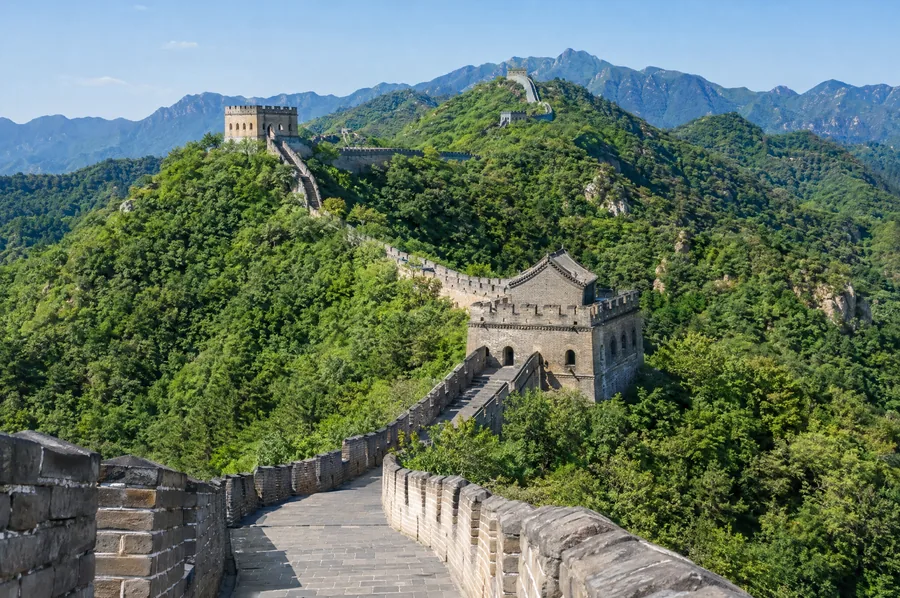
Japan surprises with its contrasts: thousand-year-old temples one bullet-train stop from the most modern cities in the world. And it is one of the easiest and safest countries to visit.
What to see in Japan
The classic route links Tokyo and Kyoto by bullet train. These are the essential stops.

Tokyo
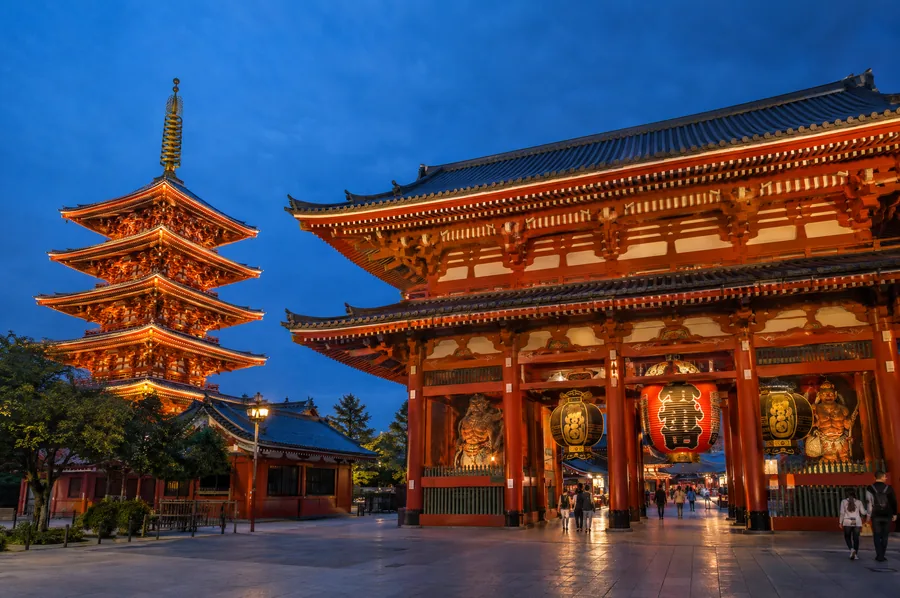
Senso-ji temple in Asakusa, the forested Meiji Shrine, the Shibuya crossing and Harajuku fashion. On clear days Mount Fuji appears on the horizon from the observation decks.
An optional trip to Hakone and Lake Ashi brings you close to Mount Fuji.
Kyoto and Nara
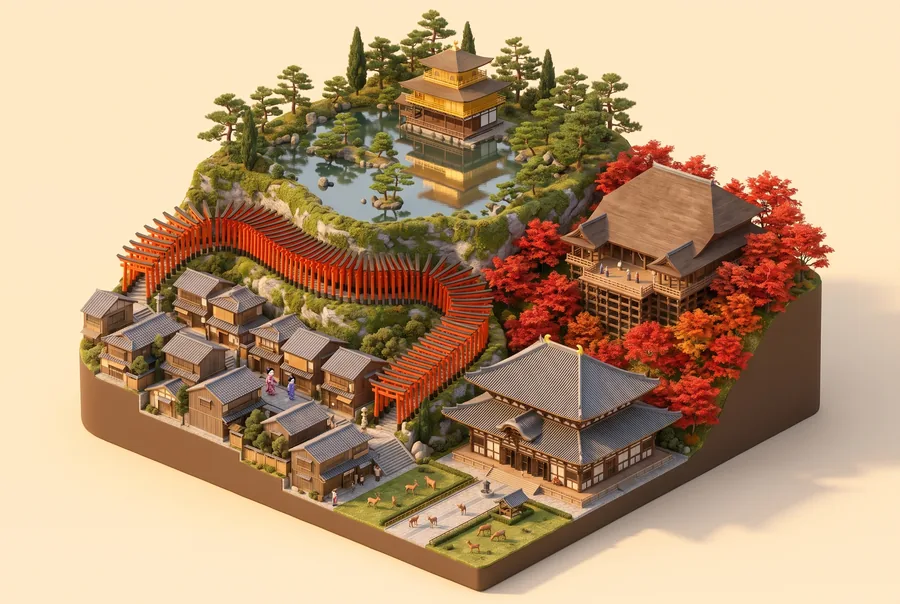
A thousand years as the imperial capital: the Golden Pavilion, the Ryoan-ji zen garden, the thousands of red torii gates at Fushimi Inari and the geisha district of Gion. In Nara, deer roam free by the great Buddha of Todai-ji.
Visit Fushimi Inari early; it fills up after 10 a.m.
Osaka
Japan’s food capital: the castle, the lights of Dotonbori and street food from takoyaki to okonomiyaki.

The Japanese Alps
Takayama, with its old town of wooden houses, and Shirakawa-go, a World Heritage village of thatched-roof farmhouses.
Best time to visit Japan
Cherry-blossom spring and red-leaf fall are the most beautiful seasons.
- Jan Cold
- Feb Cold
- Mar Good
- Apr Peak
- May Ideal
- Jun Rainy
- Jul Very hot
- Aug Very hot
- Sep Good
- Oct Ideal
- Nov Ideal
- Dec Cold
Cherry blossoms bloom in Tokyo and Kyoto from late March to early April; it is the busiest time, along with Golden Week (late April to early May). October and November bring momiji, the fall colors, with very pleasant temperatures.
June and July are the rainy season and summer is hot and humid; typhoons can hit from August to September. Winter is cold but dry, with few tourists.
Entry requirements for Japan
Neither US nor Mexican citizens need a visa to visit Japan as tourists.
US passport (including Puerto Rico)
No visa for up to 90 days
- Tourist stays of up to 90 days.
- Passport valid for your entire stay.
- A return ticket.
Mexican passport
No visa for tourism
- Short tourist stays without a visa.
- Passport valid for your entire stay.
- A return ticket.
Before your flight you can register your immigration and customs details on Visit Japan Web and get QR codes that speed up arrival. Japan is also preparing a pre-travel electronic authorization (JESTA) for visa-free travelers, expected around 2028; it is not required yet.
Official sources: Visa exemptions (Ministry of Foreign Affairs of Japan) · Visit Japan Web · U.S. State Department travel advisories
Is it safe to travel to Japan?
Japan is one of the safest countries in the world, with very low crime. The things to plan for are earthquakes and, in late summer, typhoons; hotels and transport are well prepared for both.
- Pack light. The bullet train has little room for big suitcases; on our tours luggage is sent ahead between cities when possible.
- Carry cash. Cards are increasingly accepted, but temples, stalls and villages take yen.
- Tipping is not customary. It can even cause awkwardness; service is already included.
- Respect the quiet. No phone calls on trains, and keep voices low at temples.
Our Japan tours
Tours with Spanish-speaking guides and the bullet train included. Prices per person in a double room, without international flights.
- Japan for Everyone Tokyo · Kyoto See the tour
- Japan Complete Kyoto · Osaka · Kanazawa · Takayama · Matsumoto · Tokyo See the tour
- China & Japan for Everyone Beijing · Shanghai · Tokyo · Kyoto See the tour
- Japan & Korea for Everyone Tokyo · Kyoto · Seoul · Busan See the tour
See every Asia tour, with day-by-day itineraries, on our Far East page.
Suggested itinerary: Japan in 7 days
The route of our Japan for Everyone tour: three nights in Tokyo and three in Kyoto.
-
Days 1–3
Tokyo
Arrival, a city tour with Asakusa and Meiji, and a free day (or a trip to Hakone).
-
Day 4
Bullet train to Kyoto
The shinkansen in about two hours and first visits.
-
Days 5–6
Kyoto and Nara
Free days for temples, Gion, Arashiyama and the Nara excursion.
-
Day 7
Depart from Kansai
Transfer to Kansai airport (Osaka).
Frequently asked questions
When is the best time to visit Japan?
Spring (late March to May) for cherry blossoms, and fall (October and November) for the autumn leaves. Both have the best weather, though cherry-blossom season is the busiest.
What do Mexican citizens need to travel to Japan?
Mexican citizens do not need a visa for short tourist stays. You need a valid passport and a return ticket, and you can complete arrival forms ahead of time on Visit Japan Web.
Is Japan expensive to visit?
Less than people think: eating well and getting around by public transport is affordable. Our 7-day tour with hotels, bullet train and a guide costs from $2,549 per person, without flights.
How many days do you need in Japan?
Seven days covers Tokyo and Kyoto. With 10 days you can add Hakone, Nara and the Japanese Alps.
Do you need to speak Japanese?
No. Transit signs are in English too, and on our tours you travel with Spanish-speaking guides.